

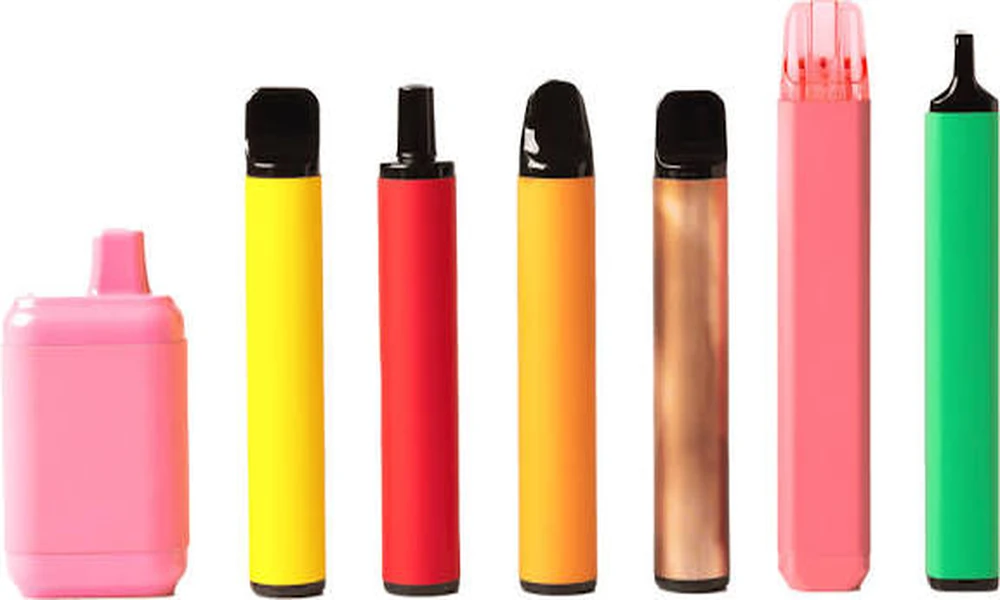
Oil consistency varies between 2 gram carts according to the extract inside each product, with distillate flowing thin, live resin sitting thicker, and rosin carrying the densest body of the three. Thickness then determines how oil moves toward the coil, how it responds to temperature shifts, and how every draw feels from a full reservoir down to the final session. Buyers comparing the best 2 gram carts reviewed by DabConnection often notice consistency differences before anything else, because texture shapes the entire experience the moment the first pull begins. Working through consistency in sequence, from identifying the extract to pacing each draw, gives shoppers a clear path to the right product.
Identify extract type
Identifying the extract type means reading the product label to learn which production method created the oil, since each method leaves a distinct texture behind. Distillate arrives highly refined and relatively fluid, moving easily through intake ports even in cooler conditions. Live resin holds more plant compounds and sits noticeably thicker, while rosin pressed without solvents often carries the densest body of the three. Well-documented products state the base extract clearly, making this first check quick.
Observe oil movement
Observe oil movement means physically checking how the contents behave inside the glass before any purchase commitment. Tilting the cart gently shows how quickly the oil shifts, with fluid distillate responding almost instantly and dense rosin holding its position for several seconds.
- Pale golden oil usually indicates a refined distillate with a light body.
- Darker amber tones point toward live resin carrying fuller texture.
- Cloudy, honey-like appearance often marks solventless rosin.
Match coil design
Match coil design means confirming the heating system suits the thickness observed in the previous checks. Thick extracts need ceramic elements with wide intake ports to keep oil flowing as levels fall, while fluid oils work well through standard openings. Blended THCA and THCP formulations land between the main extract types depending on their base, so checking the maker’s stated coil pairing prevents feed problems weeks into the reservoir.
Set the temperature correctly
Setting the temperature correctly means tuning the battery output to the consistency inside rather than running one setting across every product. Dense extracts vaporise cleanly at slightly higher temperatures, while thin oils burn harshly when overheated, so adjustable batteries earn their place with 2 gram formats. Cold conditions add a further consideration, since thick rosin stiffens in low temperatures and may need a warm-up draw before flowing properly. As a result, larger chambers feel longer because more oil must reach working temperature.
Adjust draw style
Adjusting the draw style means pacing each pull to match how quickly the oil feeds the coil, completing the sequence. Fluid oils support relaxed, open draws because the supply keeps up easily, while dense extracts reward slower pulls that give the feed system time to keep pace. Flavour follows the same pattern across every texture. Heavier live resin bodies carry fuller terpene character than lighter refined oils, so slower draws also bring out the depth thick formulations hold within the larger reservoir.
Oil consistency varies between 2 gram carts through extract choice, temperature response, and feed behaviour working together across weeks of use. Running the five checks in order, identifying the extract, watching its movement, matching the coil, tuning the heat, and pacing each draw, turns consistency from a hidden variable into a clear guide, and buyers who follow this sequence before choosing a larger format know exactly how their product will handle from the first session to the last.