

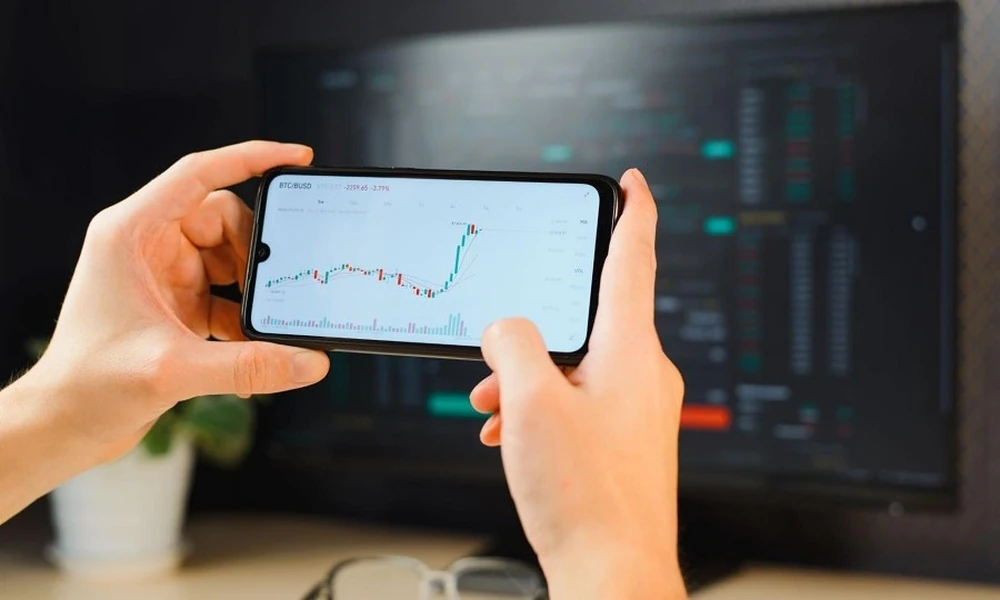
A Broking App connects investors and traders with market services through a digital interface. Depending on the platform, users may be able to place equity orders, monitor portfolios, review company information, apply for public issues, access mutual funds, and manage account-related activity from one place.
The usefulness of a broking platform depends heavily on the person using it. A long-term investor may care more about portfolio reporting and research, while an intraday trader may focus on execution speed and charts. The strongest platform is therefore the one that supports the user’s actual investing behaviour rather than simply offering the largest number of features.
Long-Term Investors Need Simplicity More Than Constant Activity
Someone who buys securities with a multi-year horizon may not need highly complex trading tools.
More relevant features can include:
- Company financial information
- Portfolio tracking
- Corporate announcements
- Watchlists
- Statements
- Easy delivery investing
For this type of investor, the app should make ownership and monitoring straightforward.
Constant notifications about short-term price changes may be less useful than clear portfolio information.
Active Traders Need a Different Platform Experience
A frequent trader may judge a broking app on completely different factors.
Important considerations can include:
- Live market data
- Order execution
- Charting tools
- Position monitoring
- Order modification
- Platform stability
For someone placing multiple trades in a session, even small usability problems can affect execution quality.
This is why one platform can suit a long-term investor while feeling inadequate for an active trader.
Charges Should Be Compared Based on Actual Usage
Brokerage is often one of the first things users compare.
However, the complete cost can include:
- Brokerage
- Exchange-related charges
- Taxes
- Regulatory levies
- Account-related fees
The effect of these costs depends on activity.
An investor placing only a few delivery orders may experience costs differently from someone trading several times each day.
The most relevant comparison is therefore based on expected usage rather than headline pricing alone.
Research Tools Should Help Narrow Decisions
A broking app may provide research features such as:
- Financial ratios
- Price history
- Corporate actions
- Earnings data
- Sector information
These tools can help users research opportunities more efficiently.
However, platform research should be treated as a starting point.
Investors still need to understand:
- Business quality
- Valuation
- Financial strength
- Industry conditions
No single recommendation or screen should automatically determine a trade.
Watchlists Can Separate Interest From Commitment
A watchlist is useful because it allows investors to monitor a security without immediately buying it.
Users can track:
- Price changes
- Earnings dates
- News
- Corporate developments
This can reduce impulsive decisions.
A stock appearing attractive today may deserve further research before capital is committed.
A good broking app should make this observation period easy.
Order Screens Should Reduce the Chance of Mistakes
Order placement is one of the most important parts of any broking platform.
A clear interface should distinguish between:
- Buy and sell
- Market and limit orders
- Delivery and intraday
- Quantity and price
Confusing trade screens can lead to costly errors.
Users should always review the confirmation screen before submitting an order, especially when markets are moving quickly.
Portfolio Information Should Explain Exposure
A portfolio dashboard becomes more useful when it shows more than total profit or loss.
Useful information can include:
- Total invested value
- Current value
- Individual holding weights
- Sector exposure
This can help identify concentration.
For example, an investor may own several stocks but still be heavily exposed to one industry.
Portfolio construction should therefore be reviewed alongside individual stock selection.
A Broking App Can Support More Than Direct Equity
Many broking platforms now offer access to several products.
These may include:
- Stocks
- ETFs
- Mutual funds
- IPOs
- Derivatives
This can simplify account management.
However, product availability should not encourage users to invest in instruments they do not understand.
The fact that an asset appears in the same app does not mean it carries the same level of risk.
Mutual Fund Access Can Serve Long-Term Users
For investors who prefer regular, diversified investing, a Sip Mutual Fund App feature within a broking platform may make it easier to set up contributions, track fund holdings, and monitor multiple goals.
This can be useful for people who want direct-stock and mutual-fund investments visible in one ecosystem.
The convenience should still be accompanied by proper fund analysis, including category, expense ratio, underlying portfolio, and risk.
Account Statements Should Remain Accessible
Digital dashboards are convenient, but users should still have access to detailed records.
These may include:
- Trade confirmations
- Holdings statements
- Fund statements
- Tax-related reports
- Transaction history
Clear records support:
- Reconciliation
- Portfolio analysis
- Tax preparation
The app should make historical information easy to retrieve.
Fund Transfers Need Clear Status Tracking
Users regularly move money between bank accounts and broking platforms.
A good app should clearly show:
- Available balance
- Funds added
- Withdrawal requests
- Pending transfers
Confusion around cash availability can lead users to place orders without understanding whether sufficient funds are actually available.
Transparency around balances is therefore important.
Security Should Extend Across the Entire Account
A broking account can contain both money and securities.
Users should protect:
- Login credentials
- OTPs
- Registered mobile access
- Email access
Useful platform security controls may include:
- Two-factor authentication
- Device verification
- Session management
- Login alerts
Unknown callers or messages asking for account credentials should be treated cautiously.
Customer Support Matters When Transactions Fail
Problems can occur even on well-designed platforms.
Examples include:
- Failed orders
- Delayed fund updates
- Login issues
- Incorrect account information
Users should know how to reach official support.
Support availability becomes particularly important for active traders because market conditions can change while an issue is being resolved.
Mobile Convenience Should Not Encourage Overtrading
A broking app makes the market continuously accessible.
This can be helpful, but it can also create behavioural risks.
Users may begin reacting to:
- Every price alert
- Small market movements
- Social-media tips
- Trending lists
Frequent action does not necessarily improve investment outcomes.
The app should support a predefined strategy rather than become a reason to trade.
IPO Access Adds Another Investment Channel
Many broking apps also allow users to view and apply for IPOs.
This can simplify participation, but IPOs still require independent evaluation.
Investors should review:
- Business model
- Financial history
- Use of proceeds
- Promoters
- Valuation
- Risks
Ease of application should not be mistaken for investment quality.
Derivative Access Needs Extra Caution
Some broking platforms make futures and options accessible from the same account.
These products can involve:
- Leverage
- Margin
- Expiry
- Rapid losses
A platform may make the order process simple while the instrument remains complex.
Users should understand the product fully before using derivatives.
Notifications Should Be Customisable
Different users need different alerts.
Useful notifications can include:
- Order execution
- Fund transfers
- Corporate actions
- SIP reminders
- IPO status
Excessive market notifications can create noise.
Being able to control alerts helps users focus on information relevant to their strategy.
Platform Stability Should Be Judged Over Time
A broking app may work smoothly during ordinary market conditions but face greater pressure during volatile sessions.
Active users may want to consider:
- Reliability
- Order-response consistency
- Position visibility
- Support responsiveness
Platform quality is not only about visual design.
Operational reliability becomes especially important when markets move quickly.
Educational Content Can Support New Investors
Some apps provide educational material on:
- Market basics
- Order types
- Investment products
- Risk
This can be useful for beginners.
However, educational content should help users understand products rather than push them toward unnecessary transactions.
Investors should still seek independent information where required.
IPO Participation Should Fit the Portfolio
Before making an Ipo Investment, users should ask whether the company fits their broader portfolio rather than focusing only on expected listing gains.
A highly publicised issue can still be expensive, concentrated in a sector already well represented in the portfolio, or unsuitable for the investor’s risk profile.
IPO access through a broking platform is convenient, but the investment case should stand on its own.
Conclusion
A Broking App can support different types of market participants by combining research, order execution, portfolio tracking, fund transfers, mutual fund access, and public-issue participation.
The right platform depends on how the user actually invests. Long-term investors may value reporting and simplicity, while active traders may prioritise execution tools and stability. Charges, security, customer support, and product clarity should also be reviewed before choosing a platform.
A useful broking app should make market participation easier to manage without making investment decisions feel automatic.
FAQs
1. What is a Broking App?
A Broking App is a digital platform that allows eligible users to access securities-market services such as investing, trading, portfolio tracking, and account management.
2. Is a broking app useful for long-term investors?
Yes. Long-term investors can use it for research, delivery investing, portfolio monitoring, statements, and access to other investment products.
3. What charges should users compare?
Users may need to review brokerage, account-related charges, exchange fees, taxes, and other applicable transaction costs.
4. Can a broking app be used for mutual funds?
Many broking platforms provide mutual fund access, although available schemes, plan types, and transaction processes can vary.
5. Does an easy-to-use broking app reduce investment risk?
No. A good interface can reduce operational confusion, but market risk, company risk, leverage risk, and other investment risks remain.