

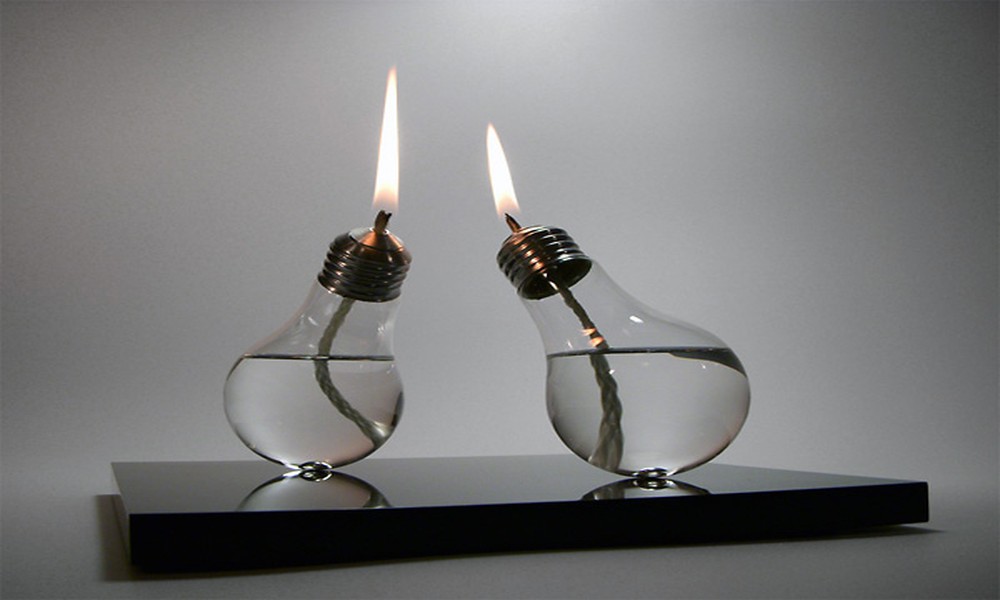
Upcycling electronics has emerged as a practical response to one of the modern era’s most persistent environmental challenges: the accumulation of electronic waste. Every year, millions of devices are discarded, not because they have ceased to function entirely, but because they have become obsolete in the eyes of consumers chasing the latest technology. Yet within these cast-off gadgets lies considerable potential. The circuit boards, screens, and components that once powered our digital lives need not end up in landfills. Instead, they can be transformed into something new, useful, and occasionally surprising.
Understanding the Environmental Imperative
The statistics surrounding electronic waste make for sobering reading. Singapore alone generates approximately 60,000 tonnes of e-waste annually, a figure that reflects both the city-state’s technological advancement and its consumption patterns. Much of this waste contains valuable materials such as gold, silver, copper, and rare earth elements, alongside toxic substances that pose risks to soil and water systems when improperly disposed of. The conventional approach of recycling, whilst beneficial, often involves energy-intensive processes. Upcycling old electronics, by contrast, extends the useful life of devices and their components without the need for industrial processing.
Creative Transformations for Obsolete Devices
The beauty of upcycling electronic lies in its accessibility. One needn’t possess advanced technical skills to breathe new life into old devices. Consider the humble smartphone, a device typically replaced every two to three years. Rather than relegating it to a drawer, that outdated phone can serve numerous purposes:
- A dedicated music player connected to speakers in your home
- A security camera using motion-detection apps
- A digital photo frame displaying cherished memories
- A universal remote control for smart home devices
- A GPS device for your vehicle or bicycle
Old laptops, even those too sluggish for modern software, maintain considerable utility. Remove the hard drive for security, install a lightweight operating system, and suddenly you possess a functional word processor, a digital recipe book for the kitchen, or a media server for your home network. The screens from broken laptops can become external monitors with the right adapter cables.
The Art of Repurposing Components
For those inclined towards hands-on projects, upcycling electronic devices opens up a world of creative possibilities. Tablets with cracked screens can be mounted on walls as home automation control panels, their touch functionality often still operational despite cosmetic damage. Old computer fans can be fashioned into portable cooling devices. Hard drives, once wiped clean, become external storage units with inexpensive enclosures.
In Singapore, where space comes at a premium, the compact nature of upcycled electronics proves particularly advantageous. An old tablet becomes a kitchen timer and recipe viewer. Defunct gaming consoles can be converted into retro gaming systems, delighting both nostalgic adults and curious children. Even broken earphones contain magnets and small speakers useful for various electronic projects.
Community and Educational Benefits
The practice of upcycling tech items extends beyond individual households. Community workshops have sprung up across Singapore, teaching residents how to repair and repurpose electronics. These gatherings serve dual purposes: they reduce waste whilst fostering skills that were once commonplace but have atrophied in our disposable age. Schools have begun incorporating electronic upcycling into their curricula, allowing students to understand both the inner workings of devices and the principles of sustainable consumption.
Libraries, community centres, and makerspaces increasingly offer tool lending programmes and instructional sessions. The knowledge shared in these spaces proves invaluable. Learning to replace a battery, upgrade memory, or install alternative software transforms one’s relationship with technology from passive consumption to active stewardship.
Practical Considerations and Safety
Whilst the possibilities are enticing, electronic device upcycling requires certain precautions. Batteries, particularly lithium-ion variants, demand careful handling. They should never be punctured, exposed to extreme heat, or carelessly disassembled. Data security presents another crucial consideration. Before repurposing any device that once stored personal information, ensure all data has been thoroughly wiped using appropriate software.
Some projects require basic tools: screwdrivers, wire cutters, and soldering equipment for more advanced endeavours. However, many upcycling projects demand nothing more than creativity and patience. The key lies in viewing old electronics not as obsolete objects but as collections of components and possibilities.
A Shift in Perspective
What makes upcycling electronics particularly compelling is how it challenges our assumptions about value and utility. A device deemed worthless by market standards can become precisely what someone needs. This shift in perspective proves increasingly necessary as we confront the environmental costs of our consumption patterns. Each upcycled device represents resources conserved, energy saved, and waste diverted from landfills.
Singapore’s commitment to becoming a zero-waste nation by 2030 aligns perfectly with the principles of electronic upcycling. The practice requires no grand gestures or substantial financial investment, merely a willingness to see potential where others see obsolescence. As our drawers and cupboards fill with outdated gadgets, the question isn’t whether we can afford to upcycle but rather whether we can afford not to. The future of sustainable technology consumption may well depend on our ability to recognise that the most innovative use of electronics isn’t always the newest application, but rather the most creative reuse of what we already possess, making upcycling electronics an essential practice for environmentally conscious individuals.