

Not that long ago, the standard Australian weekend looked pretty predictable. A sleep-in, maybe brunch somewhere busy, a Bunnings run you didn’t plan for, and a quiet sense that Sunday afternoon arrived too quickly.
Lately, though, something’s shifted.
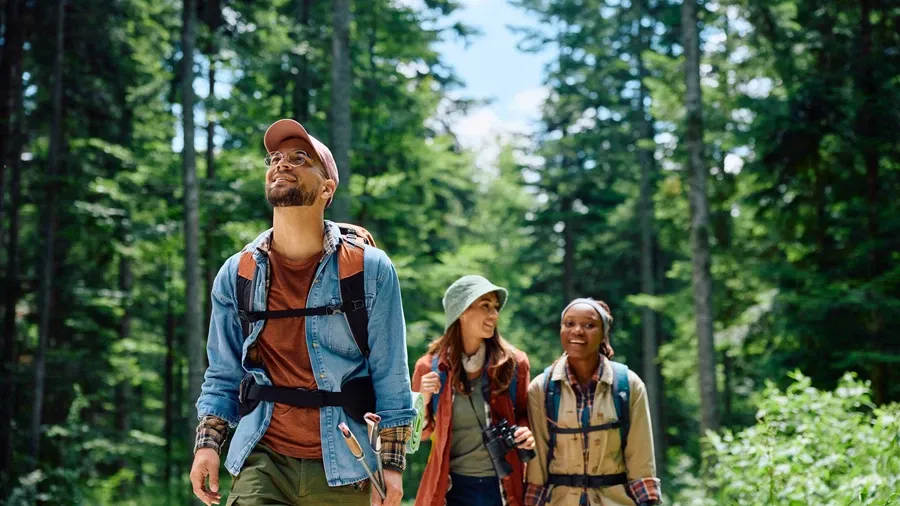
More and more people I know — especially those living in cities — are trading packed cafés and shopping centres for trailheads, fire roads, and quiet coastal tracks. It’s not about becoming hardcore adventurers overnight. It’s more subtle than that. A slow drift away from noise and towards space.
For some, that means hiking. For others, paddling, trail running, or cycling. What ties it all together is the same impulse: weekends aren’t just for recovery anymore — they’re for resetting.
And once outdoor activities become part of your rhythm, the way you use your time (and your gear) changes with them.
The Quiet Burnout Behind City Weekends
Australian cities are great. They’re vibrant, social, full of options. But they’re also relentless.
Between work, screens, traffic, and the constant sense of being “on,” weekends can end up feeling like shallow rest rather than real restoration. You stop working, but your mind doesn’t.
I’ve seen this firsthand. People who technically had time off, but still felt wired by Sunday night. Restless. Not quite recharged.
Outdoor activities offer something different. They don’t just fill time — they change pace. They force you to slow down, pay attention, and engage your body in ways that don’t feel performative or optimised.
That’s a big reason city dwellers are heading out of town more often, even if it’s just for half a day.
Why Trails Are Winning Over Tables
There’s a noticeable cultural shift happening, especially among people in their 30s and 40s.
Instead of asking, “Where are we going for lunch?” the question becomes, “Where can we get outside for a bit?”
Trails are replacing tables. Dirt is replacing concrete. And experiences are starting to matter more than convenience.
Cycling has become a big part of this shift, particularly because it fits neatly into a busy lifestyle. You don’t need a full day or a big plan. You can throw the bike in the car, drive an hour, ride for a couple of hours, and still be home in time for dinner.
When the logistics are simple — having a bike setup that’s easy to load, unload, and live with, like using a vertical bike rack — the barrier to getting out drops dramatically. And when the barrier drops, habits form.
The Rise of the “Micro-Adventure” Weekend
Not every outdoor weekend involves camping or disappearing off the grid.
In fact, most don’t.
What’s becoming more common across Australia are micro-adventures:
- A morning ride in the bush followed by lunch back in town
- A coastal walk before the crowds arrive
- A quick drive to a national park instead of another indoor errand run
Parks Australia reports increased visitation to national parks close to urban centres, which says a lot about how people want to spend their free time.
People aren’t rejecting city life. They’re balancing it.
Outdoor Time Feels Different Than “Time Off”
There’s a big difference between stopping work and actually switching off.
Outdoor activities demand just enough attention to pull you out of your head. You notice your breathing. The terrain. The weather. The way your body moves.
It’s not mindfulness in a curated sense. It’s practical. Physical. Real.
Research from Beyond Blue highlights the positive impact that physical activity and time outdoors can have on mental wellbeing.
You don’t need to label it as self-care for it to work. You just need to show up.
How Gear Choices Shape Weekend Habits
One thing people don’t always connect right away is how much their gear setup influences behaviour.
If getting outside feels complicated, you’ll default to easier options — even if they don’t actually make you feel better. If it’s simple, you’ll do it more often.
That’s why experienced outdoor people obsess less about owning more gear and more about reducing friction.
Simple systems. Reliable equipment. Setups that don’t require a mental checklist every time you want to leave the house.
When gear disappears into the background, the experience moves to the foreground.
A Shift Away From “Big Nights” Toward “Better Mornings”
Another subtle cultural change? Weekends aren’t starting later anymore.
Early mornings — especially Saturdays — are becoming prime time for outdoor activity. Trails are quieter. Temperatures are better. The sense of having the whole day ahead of you is unbeatable.
That often means fewer big Friday nights and more intentional choices. Not because people are getting boring — but because the payoff feels better.
You go to bed earlier. You wake up clear-headed. You come home tired in a good way.
That trade-off is starting to feel worth it.
Why This Shift Is Sticking (Not Just a Trend)
Some people dismiss this move toward outdoor weekends as a phase. Something that spikes and fades.
I don’t think that’s what’s happening.
Once people experience weekends that actually restore them — not just distract them — it’s hard to go back. The benefits are immediate and obvious. Better sleep. Better mood. A sense of perspective that’s easy to lose during the week.
The Australian Institute of Health and Welfare continues to emphasise the long-term benefits of regular physical activity for both physical and mental health.
Outdoor habits don’t require perfection or intensity. They just require repetition.
The New Definition of a “Good Weekend”
A good weekend used to mean being busy. Seeing everyone. Doing everything.
Now, for a lot of Australians, it means something quieter:
- Feeling calmer on Sunday night
- Spending time outside
- Moving the body without pressure
- Coming back feeling more like yourself
That doesn’t mean every weekend needs to be an adventure. It just means leaving room for one when it feels right.
Why Trail Time Changes How You Show Up During the Week
The impact of outdoor weekends doesn’t stop on Sunday.
People who regularly get outside tend to carry that calm into the workweek. They’re more patient. More focused. Less reactive.
It’s not magic. It’s regulation. Physical movement, natural environments, and time away from constant input all help reset the nervous system.
And that makes the rest of life feel more manageable.
Where This All Leads
City life isn’t going anywhere. Neither are busy schedules.
But weekends are being redefined.
Instead of being a pause between work weeks, they’re becoming a counterbalance — a way to reconnect with the parts of ourselves that don’t live on screens or calendars.
Trails, tracks, and open space offer something cities can’t: perspective.
And once people discover that, they tend to keep coming back.
Not because it’s trendy. Because it works.