

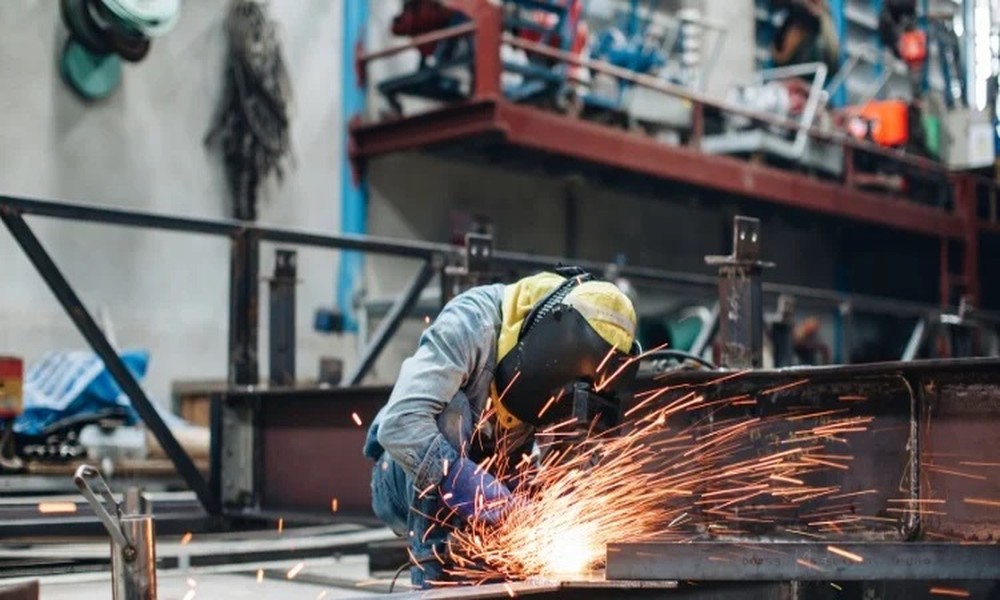
CNC machining significantly enhances precision and efficiency in manufacturing. It allows for complex designs while reducing human error and improving production speed.
Due to its versatility, CNC machining empowers businesses to utilize a range of materials, from metals to plastics and composites, enabling rapid adaptations for new designs.
Custom metal fabrication delivers tailored solutions that increase product functionality, effectively addressing specific business needs that standard products may fall short of satisfying.
Stamping services prove invaluable for efficient mass production, ensuring quality and consistency-ideal for manufacturing high-volume components.
By collaborating with experienced stamping providers, companies can enjoy improved quality control, cost savings, and shorter lead times for required metal components.
3D printing revolutionizes manufacturing by enabling rapid prototyping and production, reducing material waste, and allowing for intricate designs without the need for heavy tooling investments.
Investing in metal forming services strategically positions businesses for growth, enhancing innovation, agility, and competitive advantage in their markets.
Unleashing Precision: The Power of CNC Machining
What Makes CNC Machining a Big Deal for Industries?
At the heart of CNC machining lies precision and efficiency, which is why it holds such importance in modern manufacturing. The capability to execute complex designs with remarkable accuracy distinguishes CNC from traditional machining methods. Companies leveraging CNC machining often report boosted production speed, and fewer human errors significantly contribute to these improvements. In fact, professionals across various sectors have observed that CNC machines’ adaptability remarkably shortens lead times and enhances output quality.
This technology’s laser-like focus allows for intricate designs that conventional methods struggle to achieve. Industries that thrive on innovation can’t risk being constrained by manufacturing limitations. CNC machining addresses the pressing need for speed and quality, serving not merely as a tool for creating parts but as a means to deliver solutions that perfectly align with a business’s operational goals.
Exploring Material Versatility in CNC Projects
Here’s the thing: CNC machining excels in flexibility. Think about how many materials it can accommodate-from metals like aluminum and stainless steel to various plastics and composites. Each material requires a unique approach in machining, yet CNC adapts seamlessly in real-time. This adaptability becomes vital when businesses need to pivot quickly or explore new designs and materials.
- Aluminum: Lightweight, with excellent corrosion resistance, it’s popular in aerospace applications.
- Stainless Steel: High strength and ideal for complex parts requiring durability.
- Plastics: Perfect for prototyping quick iterations, helping save time and budget.
For example, a medical device manufacturer switching from steel to composite material might find that CNC machining not only meets their needs but also enhances product performance. By reducing weight and optimizing design, companies can redefine what’s possible.
“CNC machining isn’t just a tool; it’s a strategic ally that transforms nightmares into smooth manufacturing experiences.”
Custom Metal Fabrication: Tailoring Solutions for Unique Needs
How Customization Boosts Product Functionality
Every business sports unique requirements, making custom metal fabrication essential. It’s more than just bending metal; it’s about constructing tailored solutions that adhere to intricate specifications. Often, businesses find that standardized products can’t fulfill every unique application. By pursuing custom options, they gain a substantial increase in product functionality, thereby improving performance across the board.
Many projects demand bespoke solutions. For instance, an automotive firm might require specific engine components that simply aren’t available off the shelf. Custom fabrication caters to these needs, allowing the creation of parts designed for particular performance levels, enhancing both efficiency and lifespan compared to standard alternatives. This emphasis on customization helps businesses outpace their competition, ensuring maximal reliability.
Case Studies: Custom Fabrication That Made an Impact
Analyzing successful case studies reveals valuable insights into the world of custom fabrication. A prime example features a renewable energy company in need of bespoke brackets for solar panels. Off-the-shelf products fell short due to varying shapes and environmental challenges. Partnering with a custom metal fabrication shop not only secured the right materials but also ensured a proper fit, which enhanced installation efficiency and guaranteed improved durability in adverse conditions.
- Aerospace Components: Customized to meet specific regulatory standards, enhancing flight safety.
- Architectural Elements: Tailor-made designs bring innovative ideas to life in stunning structures.
- Medical Equipment: Precision parts that comply with stringent guidelines to ensure patient safety.
Such narratives highlight how custom fabrication not only addresses problems but also sparks innovation, enabling businesses to expand their capabilities in unprecedented ways.
Stamping Services: Quick Turnaround with Quality Assurance
Understanding the Stamping Process: Efficiency Defined
Stamping services could easily be summarized in a single phrase: Efficiency defined. Unlike many other manufacturing techniques, stamping entails pressing and shaping metal into desired forms. But efficiency goes hand-in-hand with quality, which remains paramount. When conducted by knowledgeable experts, the stamping process ensures consistent results across mass production runs, guaranteeing that every component meets stringent tolerances.
This efficiency is a boon for companies engaged in mass production. It offers an economical method of creating high volumes of components while maintaining high quality. Many firms turn to stamping for parts like brackets, housings, and other elements where uniformity really matters. Consequently, they can quickly fulfill large orders while keeping production costs manageable.
Benefits of Partnering with an Experienced Stamping Provider
What’s the advantage of partnering with an experienced stamping provider? Several points come to light. Firstly, quality assurance is paramount. Skilled stamping professionals grasp the nuances of various materials and guide clients to the most effective choices for their projects. Secondly, the time saved during production can be significant-an established provider often streamlines the entire process, cutting down lead times.
- Cost Savings: Economy of scale in mass production.
- Expertise: Understanding materials and processes ensures optimal outcomes.
- Quality Control: Ongoing monitoring and testing help maintain high standards.
In the long run, companies partnering with experienced stamping services typically reap the compounded benefits of speed, savings, and unwavering quality. It’s more than a service; it’s a strategic alliance that leads to tangible results.
3D Metal Printing: Redefining Prototyping and Production
How 3D Printing Shapes Modern Manufacturing Landscapes
3D printing is no passing trend; it’s redefining the entire manufacturing landscape. The ability to print complex metal structures directly from digital files revolutionizes how prototypes and production parts are created. Businesses embracing this technology gain the edge to experiment with designs without the hefty tooling investments that traditional manufacturing entails.
This shift permits firms to move away from rigid production timelines to more flexible processes, allowing real-time adaptations to prototypes based on practical testing without encountering lengthy delays. For startups eager to launch innovative products, this flexibility is nothing short of game-changing. It not only provides speed but presents the freedom to innovate unimpeded by financial constraints.
Advantages of 3D Printing Over Traditional Methods
So, why opt for 3D printing? The advantages accumulate rapidly. First, there’s a significant reduction in material waste. Traditional machining often involves cutting away large amounts of material from a solid block. In contrast, 3D printing builds parts layer by layer, drastically minimizing offcuts.
- Rapid Prototyping: Transform designs from ideas to tangible components in days rather than weeks.
- Complex Geometries: Create intricate shapes that traditional approaches simply cannot match.
- Customization: Easily modify designs for specialized applications without the cost of acquiring new tooling.
Manufacturing administrators recognize 3D printing as not just another option, but a requirement for operations that are ready for the future. This leap enables swift pivots and innovations, attracting both investment and market interest.
“3D printing isn’t about replacing old methods; it’s about augmenting capabilities and unlocking new realms of opportunity.”
Investing in metal forming services -including CNC machining, custom fabrication, stamping, and 3D printing-doesn’t simply enhance processes. It paves the way for businesses to embark on a growth trajectory fueled by innovation, agility, and competitive prowess.
FAQ
What industries benefit most from metal forming services?
A variety of industries see immense advantages from utilizing metal forming services. Those in sectors such as aerospace, automotive, medical device manufacturing, and renewable energy often depend on these services to boost product performance, achieve demanding regulatory compliance, and drive innovation. Each industry presents unique needs that tailored solutions effectively address.
Are there any specific certifications to look for in metal forming providers?
Definitely. Searching for providers with certifications like ISO 9001 or AS9100 can be critical. Such certifications reflect a dedication to quality management standards, ensuring that services meet or surpass industry benchmarks. Clients typically prefer partners who prioritize quality and consistently seek excellence in their processes.
How does the cost of CNC machining compare to traditional machining methods?
The initial cost of CNC machining may seem higher, yet the efficiency and precision lead to considerable long-term savings. By minimizing human error and accelerating production times, the upfront investment is often outweighed by the improved returns on manufacturing processes as businesses expand.
Can 3D printing be used for final production parts or just for prototyping?
A growing number of businesses are now employing 3D printing for both prototyping and final production parts. This technology has evolved to produce durable components that meet stringent specifications. For sectors needing custom, low-volume production, 3D printing can deliver high-quality final products with efficiency.
What role does materials science play in metal forming services?
Materials science is fundamental to the success of metal forming services. Grasping the characteristics of different materials helps manufacturers choose the best options for specific applications. This knowledge informs decisions regarding machining techniques, fabrication processes, and the durability of products, which directly influences performance and customer satisfaction.
How can businesses assess the quality of custom fabrication work?
Quality assessment can consider multiple factors, such as examining a provider’s portfolio, gathering client testimonials, and verifying certifications. Requesting samples and conducting performance testing can also yield insights into the quality of custom fabrication work. Typically, businesses find that establishing clear specifications right from the start helps ensure satisfaction with the final outcomes.
What innovations are on the horizon for metal forming technologies?
Emerging advancements, including sophisticated robotics and artificial intelligence, promise to further streamline metal forming processes. These innovations are expected to enhance precision, cut costs, and automate complex tasks. Staying updated on these developments enables businesses to leverage future advancements and maintain their competitive edge.
How can companies prepare for integrating new metal forming technologies?
To successfully integrate new metal forming technologies, companies must engage in careful planning and invest in workforce training. Assessing current capabilities, identifying gaps, and developing a comprehensive roadmap for integration are essential steps. Collaborating with experienced providers and focusing on staff training can ensure a smoother transition, equipping teams to effectively use new tools.