

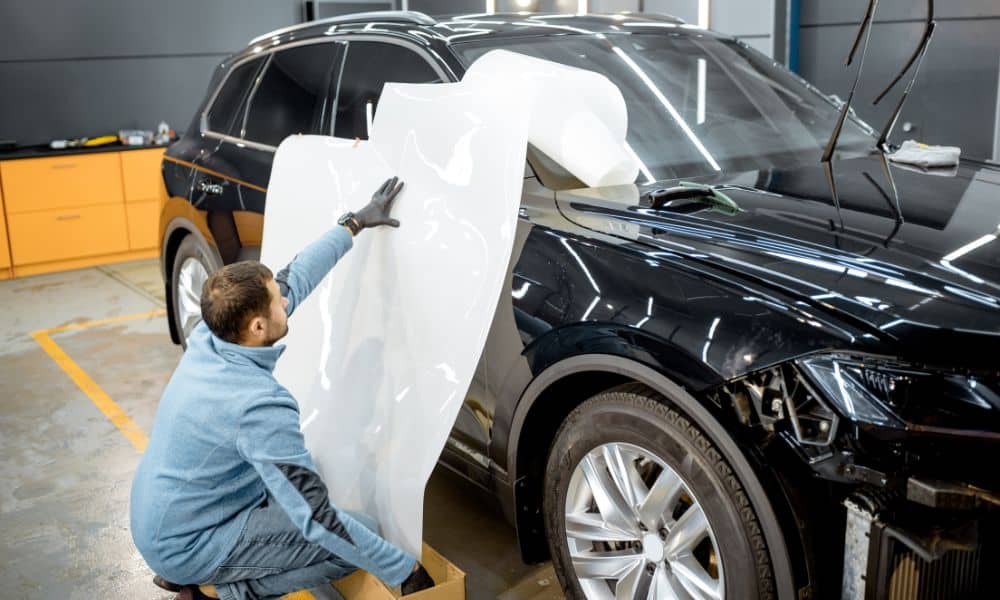
In the neon-soaked landscape of the late 1960s, the American highway was a gallery of texture. From the muscular silhouettes of the Pontiac GTO to the stately elegance of the Cadillac Fleetwood, a specific design choice signaled a driver’s taste and status: the vinyl roof. For decades, this feature defined luxury, providing a soft-touch contrast to the cold, hard lines of sheet metal.
While the trend eventually faded into the background of automotive history, the 2020s have ushered in a significant resurgence. Today, vinyl tops are no longer just relics of a vintage era; they have become a premier tool for modern personalization. As car enthusiasts look for ways to break away from the sea of factory-standard gloss finishes, the “textured crown” is returning to the spotlight, offering a blend of classic heritage and cutting-edge material science.
The Architecture of the Roof: Understanding the Material
To appreciate why vinyl tops are returning to favor, one must look past the surface. Modern automotive vinyl is a far cry from the brittle plastics of the mid-20th century. Today’s applications utilize high-grade Polyvinyl Chloride (PVC) engineered to withstand the harshest environmental stressors.
While aesthetics are the primary driver for most owners, these additions provide a surprisingly robust layer of protection. The non-porous nature of high-quality vinyl acts as a secondary waterproof barrier. When rain hits a vinyl-wrapped roof, the water beads and rolls off, preventing the moisture from pooling in the small crevices around window seals where rust often begins its silent work.
Furthermore, the sun is the natural enemy of any vehicle’s exterior. Continuous exposure to ultraviolet radiation can cause paint to oxidize and clear coats to peel. A vinyl top acts as a sacrificial layer. It absorbs the UV energy, protecting the underlying metal and paint from fading. Because modern automotive vinyl is infused with UV stabilizers, it maintains its color and structural integrity for years, reducing the need for the expensive paint restoration projects that plague standard vehicles.
A Journey Through Time: The Evolution of the Vinyl Look
The story of the vinyl roof is a story of transition. In the early days of motoring, roofs were often made of leather or fabric because metal-stamping technology was not yet advanced enough to create large, curved steel panels. As steel became the standard, manufacturers began using vinyl in the 1950s and 60s to mimic the look of a convertible, giving hardtop coupes a more “sporty” or “exclusive” profile.
By the 1970s, the vinyl top reached its zenith. It became the hallmark of the “Brougham” era, where thick padding and grain textures like “landau” or “halo” styles were synonymous with high-end luxury. However, as the 1980s introduced more aerodynamic designs and new paint technologies, the textured look fell out of fashion, replaced by monochromatic, sleek silhouettes.
The current revival is driven by the modern customization movement. Today’s car owners are less interested in mimicking convertibles and more interested in visual “separation.” Whether it is a matte black roof on a gloss white sports car or a carbon-fiber texture on a performance sedan, vinyl tops allow for a level of contrast that paint simply cannot achieve at the same price point.
The Buyer’s Palette: Selecting Materials, Colors, and Textures
When embarking on a stylistic transformation, the first decision involves the quality of the film. There is a vast difference between standard sign-making vinyl and automotive-grade material.
1. Automotive-Grade vs. Standard Vinyl
Standard vinyl is often thin and lacks the elasticity required to hug the complex curves of a vehicle roof. Under the heat of the sun, low-quality films can crack or shrink, leaving unsightly adhesive lines around the edges. Premium options, such as those produced by 3M or Avery Dennison, are engineered specifically for the road. These “wrap” films feature air-release technology, which allows installers to squeegee out trapped air during application, ensuring a bubble-free finish that looks like factory paint.
2. The Power of Texture
The modern market offers a playground of tactile options. While classic grains like “Tuxedo” or “Boar Grain” remain popular for restoration projects, contemporary enthusiasts are leaning toward:
- Matte and Satin Finishes: These provide a sophisticated, non-reflective look that emphasizes the vehicle’s body lines.
- Carbon Fiber: A favorite in the tuner community, this texture adds a high-tech, lightweight aesthetic.
- Brushed Metals: Vinyl can mimic the look of brushed aluminum or titanium, providing a rugged, industrial vibe.
- Gloss Contrast: Using a high-gloss black vinyl on a colored roof creates the illusion of a full glass panoramic roof, a popular trend in modern luxury design.
The Great Debate: DIY Mastery vs. Professional Precision
For the hands-on car owner, installing a vinyl top is one of the most rewarding weekend projects available. It requires a relatively small tool kit: a degreaser, a sharp utility knife, a squeegee, and a heat gun.
The secret to a successful DIY installation is preparation. The roof must be surgically clean. Even a single grain of dust can create a visible bump under the vinyl film. The process involves laying the sheet over the roof, using a heat gun to make the material pliable enough to stretch over corners, and slowly working from the center toward the edges.
However, there are moments when the “pro” is the only way to go. If a vehicle features a complex “shark fin” antenna, sunroof, or deep drainage channels, the difficulty level increases exponentially. Professional installers have the experience to handle “tension” in the film, ensuring it doesn’t pull back and peel six months later. Furthermore, professionals often offer warranties against bubbling or fading, providing a level of security that a DIY project lacks.
Preservation and Care: Keeping the Style Sharp
Once the transformation is complete, the maintenance routine must change. You should treat a vinyl top more like a fine upholstery than a piece of sheet metal.
Regular washing with a pH-neutral soap is essential. It is important to avoid automatic “touch” car washes, as the heavy spinning brushes can catch the edges of the vinyl or create micro-scratches in matte finishes. Instead, a hand wash with a soft microfiber mitt is the gold standard for care.
Crucially, owners should avoid waxes or polishes that contain petroleum distillates or abrasives. These chemicals can break down the PVC structure, leading to premature brittleness. Instead, use a dedicated vinyl protectant. These sprays add an extra layer of UV protection and keep the material supple. If you notice a minor scuff or a small tear, address it immediately. Small repair kits with liquid vinyl and color-matched patches can stop a minor blemish from becoming a full-roof replacement.
The Economic Value of a Stylized Roof
Beyond the emotional satisfaction of driving a unique vehicle, there is a practical economic argument for vinyl tops. In the world of resale, a well-maintained vinyl top can be a major selling point. It signals to a potential buyer that the owner was attentive to the vehicle’s appearance and protection.
Moreover, vinyl is reversible. If you decide to sell the car to someone who prefers the original factory look, the vinyl can be removed with a bit of heat, revealing the perfectly preserved paint underneath. This makes it a much lower-risk investment than a custom paint job, which is permanent and can actually hurt the resale value if the color choice is too “loud” for the general market.
Conclusion: A Masterclass in Personal Expression
Transforming a vehicle with a vinyl top is a rare opportunity to blend the old world with the new. It is a design choice that pays homage to the golden age of the American automobile while utilizing the most advanced chemical engineering available today.
Whether you are restoring a 1972 Lincoln Continental to its former glory or giving a 2026 sports coupe a stealthy matte finish, the vinyl top remains a powerful statement of individuality. It is more than just a cover; it is a crown that defines the character of the machine. By choosing the right materials, deciding between a DIY challenge and professional expertise, and committing to a simple maintenance routine, you ensure that your vehicle remains a standout piece of rolling art. In a world of mass production, the vinyl top is your chance to draw a line in the sand and say that your style is anything but standard.