

Diving into a new hobby is an incredibly exciting journey that allows you to expand your creative horizons, relieve daily stress, and connect with vibrant enthusiast communities.
Whether you are drawn to the delicate artistry of paper crafting or the fascinating world of collecting prehistoric artifacts, the quality of your foundational supplies dictates your long-term success.
Beginners frequently make the common mistake of purchasing cheap, low-grade items, which often leads to immense frustration and abandoned projects. Investing in genuine, high-quality materials ensures that your creations endure over time and your collection holds real historical or artistic value.
By learning how to distinguish authentic supplies from inferior imitations, you can protect your financial investment and elevate your overall experience. Here are four crucial tips for selecting authentic hobby materials.
1. Diving Deep into the Ancient World: What Makes Fossils Genuine and Collectible
For enthusiasts passionate about paleontology and natural history, acquiring real prehistoric specimens requires a sharp eye and thorough research.
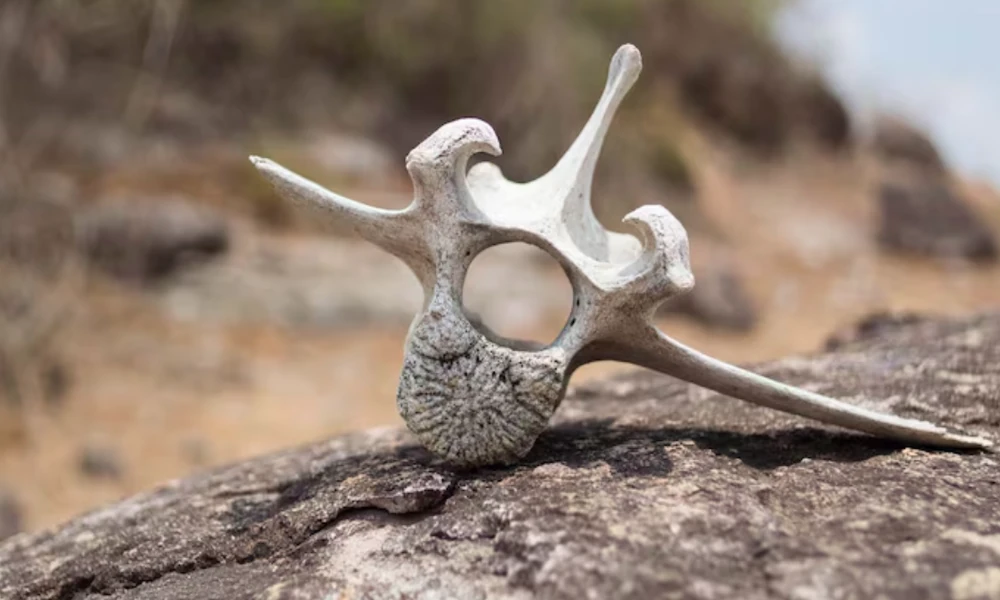
Understanding what makes fossils genuine involves examining the precise mineralization patterns, structural weight, and specific bone textures under a magnifying glass.
Authentic specimens typically exhibit natural imperfections, fine microscopic cracks, and varied coloration patterns that synthetic resin replicas simply cannot reproduce.
Always request a formal certificate of authenticity and purchase exclusively from highly reputable geologists or established dealers who document the exact legal origin and geological formation of their pieces.
2. Elevating Your Paper Crafts with Premium Card Making Supplies
If your creative interests lean toward handcrafting personalized greetings, using premium materials completely transforms the look and tactile feel of your final designs. Investing in archival-grade card making supplies ensures that your beautiful invitations do not fade, yellow, or degrade as decades pass.
Look specifically for acid-free and lignin-free paper stock featuring a heavy weight rating, which easily handles wet liquid glues, heavy metallic inks, and complex multi-layered embossing techniques.
Selecting superior inks, precise cutting tools, and authentic embellishments gives your handmade stationery a remarkably polished, professional, and boutique-quality finish.
3. Selecting Pure and Lightfast Pigments for Fine Art Painting
For those stepping into the beautiful world of watercolor, acrylic, or oil painting, the purity of your medium directly impacts your color blending and artistic expression.
Authentic artist-grade paints contain incredibly high concentrations of finely ground natural pigments rather than cheap synthetic fillers and chemical binding agents.
Check the product labels carefully for a verified lightfastness rating, which guarantees your artwork will resist fading when exposed to natural daylight. While student-grade paints are more affordable, investing in professional pigments yields richer finishes and incredibly smooth blending capabilities.
4. Verifying Material Purity in Textile and Knitting Hobbies
Engaging in fabric arts like knitting, crocheting, or embroidery requires a deep appreciation for fiber quality and structural integrity. Authentic premium yarns constructed from pure natural fibers, including merino wool, Egyptian cotton, and organic silk, offer unmatched softness and breathability.
Cheap synthetic acrylic fibers often pill rapidly, trap static electricity, and lose their shape completely after a single washing cycle.
Feeling the raw texture against your skin and checking the exact percentage breakdown on the manufacturing label prevents you from ruining hours of delicate hand-knitting labor.