

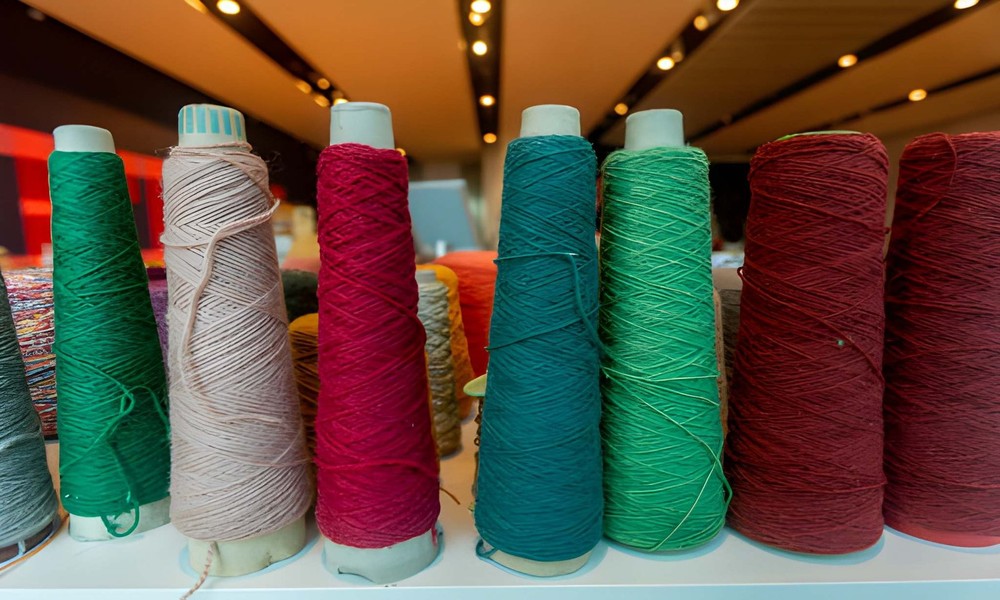
Some innovations arrive with noise. Others quietly settle into daily life and change everything over time. Recycled yarn is one of those quiet shifts. In 2026, the textile industry isn’t just focused on creating more it’s focused on creating better.
And better often means rethinking what we already have. Recycled yarn reflects this new direction, where waste is no longer ignored but reworked into something useful again.
It doesn’t try to impress. It simply works and that’s exactly why it matters.
From Discarded to Dependable
Recycled yarn begins in places most people don’t think about used garments, factory leftovers, plastic waste. Materials that once had a single purpose are collected, processed, and transformed into fresh fibers.
Those fibers are then spun into yarn that feels, performs, and behaves like any modern textile material.
The difference isn’t always visible. And that’s the point. Recycled yarn doesn’t look like a compromise it looks like a solution.
Why It Feels Relevant Now
There’s a quiet shift in how people choose products. It’s no longer just about appearance or price. There’s a growing awareness of how things are made and how long they last.
Recycled yarn fits naturally into this mindset because it offers a balance:
- It reduces unnecessary waste
- It makes use of existing materials
- It supports long-term use
- It fits into modern production without disruption
- It keeps products accessible and practical
It’s not about doing something extreme it’s about doing something smarter.
Where It Shows Up in Daily Life
People may not search for recycled yarn specifically, but they experience its impact every day.
- A hoodie that stays comfortable after repeated washing
- A tote bag that feels light but carries weight easily
- Curtains that keep their form through changing seasons
- Activewear that dries quickly after use
- Rugs and fabrics that handle daily wear without fading fast
These are small interactions, but they build trust in the material over time. Recycled yarn becomes part of routines without demanding attention.
Fashion Is Using It More Naturally
Recycled materials used to feel like a separate category. Today, they are simply part of the design process.
Recycled yarn is now used across:
- Everyday casual clothing
- Clean, modern basics
- Flexible sportswear
- Travel-friendly outfits
- Seasonal layering pieces
Designers are no longer treating it as a limitation. With improved processing, recycled yarn now supports both comfort and style without compromise.
Built for Real Homes
Home environments are demanding in their own way. Fabrics need to handle sunlight, dust, frequent cleaning, and constant use. Recycled yarn works well here because it offers reliability without extra effort.
It is commonly found in:
- Upholstery that holds up over time
- Curtains that maintain their structure
- Cushion covers that resist wear
- Bedding that balances comfort and durability
- Decorative elements that stay consistent
For everyday living, materials that require less maintenance make a real difference.
A Practical Choice for Functional Products
Recycled yarn is also moving deeper into utility-based products where performance matters more than appearance.
It is used in:
- Travel bags and backpacks
- Outdoor equipment
- Automotive textiles
- Packaging fabrics
- Industrial applications
Its strength, combined with relatively low weight, makes it a dependable option in environments where materials are tested repeatedly.
Rethinking Sustainability in a Real Way
Sustainability today is less about labels and more about outcomes.
People are beginning to ask practical questions:
- How long will this last? Can it be reused? Does it reduce waste?
Recycled yarn supports these concerns in a direct way:
- It helps reduce landfill buildup
- It extends the life of existing materials
- It lowers dependence on new raw inputs
- It supports more efficient production cycles
- It encourages a circular approach to textiles
It’s not about perfection it’s about progress that actually fits into real-world use.
Why It Works for Production
From a manufacturing perspective, recycled yarn offers a stable and flexible solution.
It provides:
- Consistent material availability
- Adaptability across different products
- Balanced cost and performance
- Ease of integration into existing systems
- Reliable outcomes in finished goods
That’s why more manufacturers are including it as part of their long-term material strategy.
What the Future Is Shaping
Recycled yarn is continuing to evolve not by changing its purpose, but by improving its performance.
We are beginning to see:
Integration into advanced textile innovations. The focus is clear make recycled yarn not just responsible, but preferred.
Final Thoughts
Recycled yarn is not trying to stand out it’s designed to fit in. And that’s what makes it powerful.
It supports clothing, homes, and products in a way that feels natural and reliable. It reduces waste without changing how things look or feel. And it offers a steady, practical response to a world that is learning to use resources more carefully. In 2026, that kind of quiet improvement is exactly what matters.
No exaggeration. No complexity. Just materials that do their job better, longer, and with more purpose.