

Key Takeaways
- Expert veterinary teams follow a rigorous triage process to prioritise life-saving interventions during a crisis.
- Modern surgical environments maintain strict sterility and advanced monitoring to ensure patient safety throughout every procedure.
- Post-operative care and immediate stabilisation are equally vital components of a successful medical outcome for domestic animals.
Introduction
Handing your pet over to a medical team for a procedure can be an incredibly daunting experience for any owner. Whether it is a planned operation or an unexpected crisis, the transition from the waiting room to the clinical area often feels like a mystery. Understanding the intricate steps taken by professionals during a vet surgery or a sudden veterinary emergency can provide much-needed peace of mind. These situations require a blend of rapid decision-making, technical precision, and compassionate care.
The Rapid Response of Triage
When a pet arrives during a veterinary emergency, the very first step is triage. Clinical staff quickly check vital signs such as heart rate, respiratory effort, and mucous membrane colour to identify life-threatening issues. Unlike a scheduled appointment, an emergency requires the team to move with synchronised speed to stabilise the animal. The primary goal is to move the patient from a state of crisis to a stable condition where further diagnostic tests or treatments can be safely performed without delay.
Pre-Operative Preparation and Anaesthesia
Before any formal vet surgery begins, a comprehensive preparation phase takes place to minimise risks. This starts with pre-anaesthetic blood work to ensure the pet’s internal organs are functioning correctly and can process the sedative medications. Once cleared, a tailored anaesthesia protocol is created specifically for that individual animal, taking into account their age, weight, and breed. This phase is handled with extreme care to ensure the transition into a surgical state is as smooth and stress-free as possible for the animal.
The Sterile Environment of the Operating Theatre
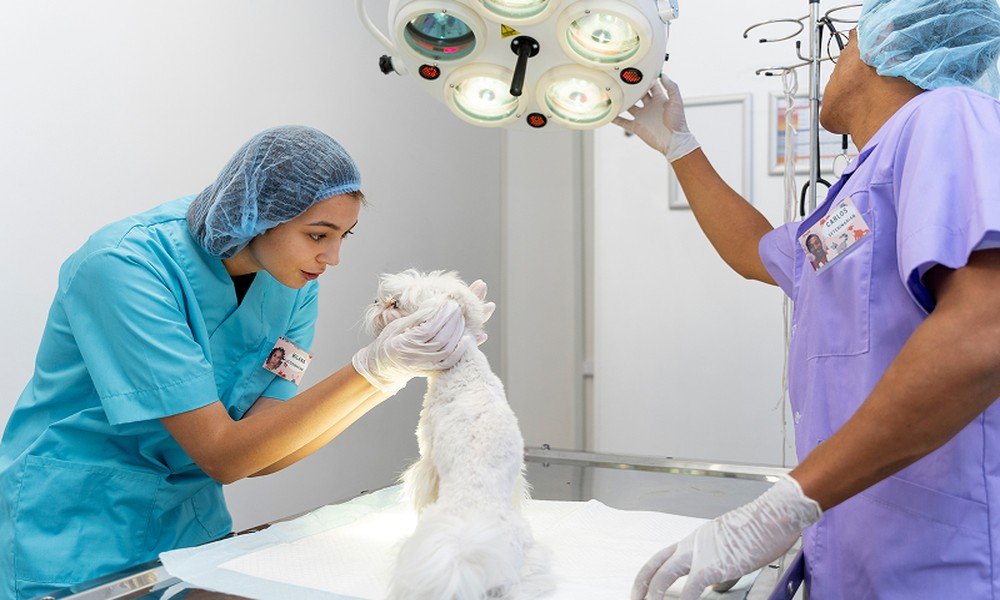
All staff members wear specialised attire, including caps, masks, and sterile gowns, while the surgical instruments undergo rigorous autoclaving to ensure they are completely free of microbes. The patient’s surgical site is clipped of fur and meticulously scrubbed with antiseptic solutions. Even in the high-pressure environment of a veterinary emergency that requires surgery, these standards of cleanliness are upheld to the highest degree possible to protect the patient from secondary complications.
Advanced Monitoring and Vital Sign Tracking
Throughout the duration of any procedure, a dedicated nurse or technician is responsible for monitoring the patient’s vitals. They use sophisticated equipment to track blood pressure, oxygen saturation, carbon dioxide levels, and body temperature. By keeping a close eye on every heartbeat and breath, the team can react instantly to any changes, ensuring the animal remains safe and unconscious while the surgeon focuses on the intricate work at hand.
The Intricacies of Surgical Intervention
The actual execution of a vet surgery requires a high level of manual dexterity and anatomical knowledge. Surgeons use a variety of tools, ranging from traditional scalpels to advanced electrosurgical units that cauterise tissue as they cut to minimise blood loss. Whether the procedure is a routine soft tissue surgery or a complex orthopaedic repair, the surgeon follows a precise plan. They must navigate delicate structures like nerves and blood vessels with extreme caution.
Immediate Post-Operative Stabilisation
Once the procedure is complete, the focus shifts to the recovery phase. The medical team continues to monitor the pet closely as they regain consciousness, ensuring their breathing remains steady and their pain is well-managed. For a pet that has just survived a veterinary emergency, this period involves frequent checks to ensure no relapse occurs. Pain management is prioritised through a combination of local anaesthetics and systemic medications to ensure the animal wakes up feeling comfortable and calm.
Communication and Continued Care Plans
Detailed instructions regarding medication schedules, wound care, and activity restrictions are provided to ensure a smooth recovery. In cases involving a veterinary emergency, there may also be discussions regarding follow-up tests or long-term management of a diagnosed condition. This collaborative approach between the clinical team and the pet owner is what ultimately ensures the best long-term outcome for the animal’s health and happiness.
Conclusion
The world of veterinary medicine is one of precision, dedication, and rapid action. From the moment a pet enters the clinic for a vet surgery to the high-stakes environment of a veterinary emergency, every action taken is designed to protect and heal. By understanding these processes, owners can feel more confident and less anxious when their pets require professional intervention. Trusting in the protocols and the expertise of the medical team is the first step toward a successful recovery and a return to the joyful moments of pet ownership.
If you are concerned about your pet’s upcoming procedure or need urgent assistance, get in touch with Paws N’ Claws to discuss your options today.