

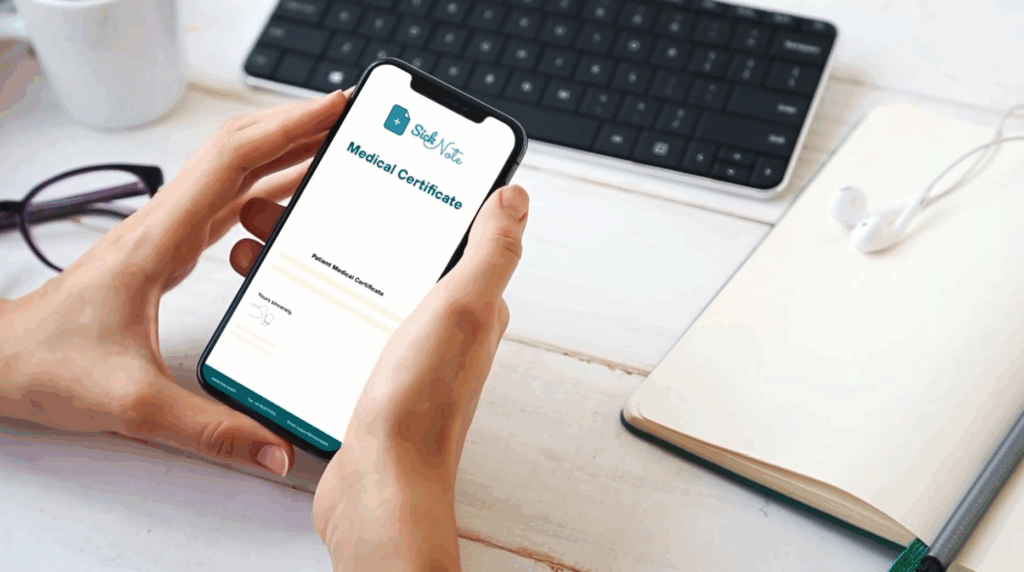
Accessing telehealth services requires specific technological capabilities that enable smooth virtual consultations with healthcare practitioners. Your device setup directly influences consultation quality and documentation delivery speed. Meeting these requirements ensures you can complete appointments without technical disruptions that delay certificate issuance. Preparing your technology beforehand creates a seamless experience when requesting medical certificate online through digital health platforms that operate across various devices.
Device compatibility essentials
Mobile phones, tablets, laptops, and desktop computers can access telehealth appointments. For a video consultation, your device needs enough processing power. The operating system must stay updated to a recent version that supports secure functions and modern rules. NextClinic work on many device types so patients can choose equipment that matches their routine. Screen size matters less than stable performance and strong processing ability during a call. Older devices may struggle in a video session, and this can disturb communication that guides medical judgment. A device that supports video streaming and document upload at the same time lowers the chance of technical failure during an appointment.
Internet connection strength
- Minimum broadband speeds of 3 Mbps enable basic video quality suitable for most medical assessments that don’t require detailed visual examinations
- Connection stability prevents dropped calls that force rescheduling and delay certificate delivery beyond your required timeframe
- Wi-Fi networks generally outperform mobile data connections for sustained video quality throughout longer consultations
- Testing your connection before scheduled appointments identifies potential issues that could interrupt medical discussions at critical moments
- Backup connectivity options like mobile hotspots provide alternatives when primary internet sources experience unexpected outages
Camera microphone functionality
Clear audio and visual communication allows practitioners to conduct thorough assessments that justify certificate issuance. Built-in or external cameras must capture video at resolution levels that let practitioners observe relevant symptoms or physical presentations during examinations.
- Microphone quality affects how accurately you can describe symptoms and answer medical history questions that inform practitioner decisions
- Testing audio before appointments prevents situations where practitioners cannot hear your responses clearly enough to make clinical determinations
- Headphones reduce background noise and improve privacy when discussing sensitive health information during consultations
- Camera positioning at eye level creates natural conversation flow compared to awkward angles that distract from medical discussions
- Lighting conditions around your camera location should illuminate your face adequately for visual assessments when needed
Adjusting these elements beforehand demonstrates preparedness that facilitates efficient consultations focused on medical needs rather than technical troubleshooting.
Security privacy measures
Protected networks stop unauthorised access to medical discussions and personal health details shared during consultations. Public Wi Fi in cafes or libraries creates security gaps that place confidential medical data at risk of interception. Private home networks or mobile data help maintain confidentiality standards needed for medical consultations. Antivirus software on your device blocks malware that could harm sensitive health records stored for a short time during certificate processing. Closing unwanted applications during consultations frees system resources and lowers the chance of accidental information sharing through notification pop-ups on the screen.
Meeting technological requirements for telehealth consultations ensures smooth access to medical certificates when you need documentation quickly. Your device, internet connection, software access, communication tools, and security measures collectively determine consultation success. Preparing these elements before booking appointments eliminates preventable technical barriers that delay healthcare access. Most modern devices already possess the capabilities needed for basic telehealth services. Verifying your setup beforehand creates confidence that your consultation will proceed without technological complications affecting certificate delivery timelines.