

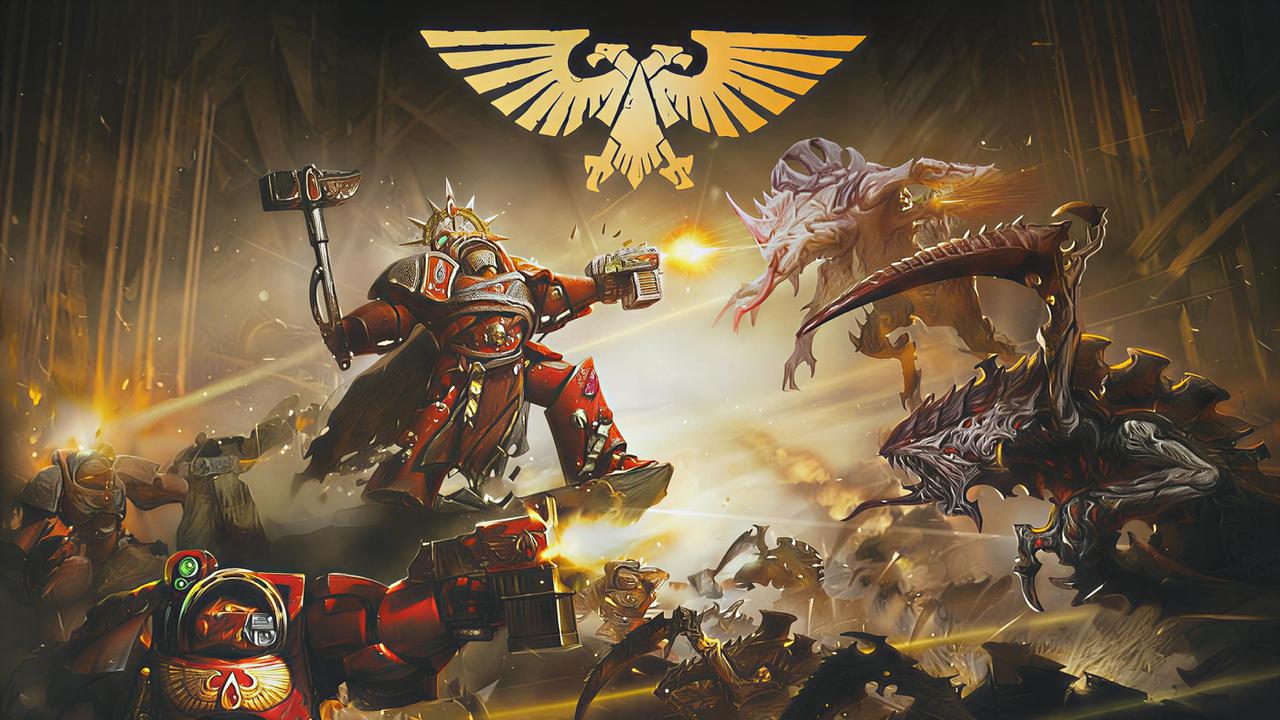
For more than three decades, Warhammer 40K has remained one of the most influential and recognizable franchises in science fiction gaming. While many tabletop games have risen and fallen over the years, this grim and expansive universe continues to attract new players while keeping longtime fans deeply engaged. In 2026, when digital entertainment, virtual reality, and mobile gaming dominate much of the market, it may seem surprising that a miniature-based tabletop game still holds such power. Yet Warhammer 40K not only survives, it thrives.
Its continued dominance is not the result of nostalgia alone. It is built on rich storytelling, evolving gameplay, strong community culture, and constant innovation. Whether someone is drawn to its dark lore, strategic depth, creative hobby aspects, or competitive scene, Warhammer 40K offers something few franchises can match.
This article explores why Warhammer 40K remains a leader in sci-fi gaming in 2026 and how it continues to adapt, inspire, and connect players around the world.
The Enduring Power of the Warhammer 40K Universe
One of the strongest reasons for the lasting success of Warhammer 40K is the depth and consistency of its fictional universe. Set in a distant future defined by endless war, political struggle, and cosmic threats, the setting offers a unique blend of science fiction, fantasy, and gothic themes.
Unlike many fictional worlds that remain static, Warhammer 40K evolves continuously. Major storylines progress, factions rise and fall, and new conflicts reshape the galaxy. This sense of ongoing history gives players the feeling that they are participating in a living universe rather than a closed narrative.
The tone of the setting also plays a major role. Its dark, morally complex atmosphere stands apart from more traditional heroic science fiction. There are no perfect heroes, only flawed empires and desperate survivors. This emotional depth creates long-term engagement and invites players to explore the universe from multiple perspectives.
Rich Lore That Rewards Long-Term Fans
A Narrative Built Over Decades
Warhammer 40K benefits from more than thirty years of continuous world-building. Thousands of books, rulebooks, campaign supplements, and background materials have contributed to its expansive lore. This creates a layered storytelling experience that rewards dedicated fans.
Players who invest time in learning the history of factions, legendary battles, and iconic characters often develop a strong emotional connection to the universe. This attachment encourages long-term involvement and deepens the overall gaming experience.
Accessibility for New Audiences
Despite its complexity, the franchise has made significant efforts to remain accessible. In recent years, simplified lore introductions, beginner-friendly content, and streamlined storytelling have made it easier for newcomers to enter the setting without feeling overwhelmed.
This balance between depth and accessibility ensures that Warhammer 40K remains welcoming while still satisfying experienced fans.
Constant Evolution of Gameplay Systems
Adapting to Modern Player Expectations
One reason Warhammer 40K remains relevant in 2026 is its willingness to evolve. Game rules are regularly updated to improve balance, speed, and clarity. These updates reflect feedback from players and adapt to changing gaming preferences.
Modern players often prefer faster, more streamlined experiences. Recent editions have reduced unnecessary complexity while preserving tactical depth. This makes games more engaging and accessible without sacrificing strategic challenge.
Supporting Competitive and Casual Play
The rules system supports both competitive and casual gaming. Tournament players benefit from balanced updates and standardized formats, while hobby-focused players enjoy flexible rules that allow for creative scenarios and narrative campaigns.
This dual focus ensures that Warhammer 40K appeals to a wide range of play styles, from highly competitive environments to relaxed home games.
The Creative Hobby Experience
Miniature Building and Customization
Warhammer 40K is more than just a game. It is also a creative hobby centered around assembling, painting, and customizing miniatures. This hands-on aspect remains a major attraction in 2026, especially in an increasingly digital world.
Many players find satisfaction in transforming unpainted models into personalized armies. The process encourages creativity, patience, and skill development. It also creates a sense of ownership that strengthens emotional investment in the game.
Artistic Expression and Community Sharing
Painting and modeling have become major parts of the Warhammer 40K culture. Social platforms and online communities are filled with shared projects, tutorials, and competitions.
This artistic dimension allows players to express individuality while remaining connected to the larger universe. It turns each army into a personal statement, reinforcing long-term engagement.
A Strong and Supportive Global Community
Local Gaming Spaces and Events
Physical gaming spaces remain vital to the Warhammer 40K experience. Hobby stores, clubs, and tournaments provide opportunities for face-to-face interaction, learning, and competition.
These spaces foster friendships and mentorship, helping new players develop confidence and skills. In 2026, many communities combine physical gatherings with digital coordination, creating flexible and inclusive environments.
Online Communities and Digital Interaction
Online forums, streaming platforms, and social networks play an increasingly important role. Players share battle reports, strategy discussions, painting guides, and lore analysis across global audiences.
This digital presence ensures that Warhammer 40K remains visible and relevant, even for players without easy access to local gaming groups.
Expanding Into Digital and Multimedia Platforms
Video Games and Interactive Media
Warhammer 40K has successfully expanded into video games across multiple platforms. Strategy titles, action games, and role-playing experiences introduce the universe to new audiences.
These digital adaptations often serve as entry points for newcomers who later transition to tabletop gaming. This cross-platform presence strengthens brand recognition and keeps the franchise culturally relevant.
Animation, Audio, and Storytelling Formats
In recent years, the franchise has expanded into animated series, audio dramas, and immersive storytelling formats. These projects deepen engagement and make the universe more accessible to non-gamers.
By embracing multimedia storytelling, Warhammer 40K reaches fans who prefer narrative experiences over traditional gaming, broadening its appeal.
Balancing Tradition and Innovation
Respecting Longtime Fans
One of the franchise’s greatest strengths is its respect for tradition. Iconic factions, visual styles, and core themes remain intact. This consistency reassures longtime fans that the essence of Warhammer 40K is preserved.
Major changes are typically introduced carefully, with attention to community feedback. This approach maintains trust and minimizes alienation.
Introducing Fresh Ideas
At the same time, innovation remains central. New factions, updated models, evolving storylines, and experimental game modes keep the experience fresh.
This balance between stability and change prevents stagnation and ensures that the franchise continues to grow.
The Business and Organizational Foundation
Consistent Product Development
Regular releases of miniatures, rulebooks, and expansions provide steady momentum. Players always have something new to explore, collect, or master.
This consistent development cycle maintains interest and encourages ongoing participation.
Investment in Quality and Design
High production standards contribute significantly to Warhammer 40K’s reputation. Detailed miniatures, polished rulebooks, and professional presentation reinforce perceptions of quality and reliability.
In an era where consumers are increasingly selective, this attention to detail strengthens brand loyalty.
Educational and Skill-Building Benefits
Strategic Thinking and Planning
Playing Warhammer 40K develops analytical skills, decision-making, and long-term planning. Players must manage resources, anticipate opponents’ moves, and adapt strategies in real time.
These cognitive benefits contribute to the game’s appeal among students, professionals, and hobbyists seeking intellectually engaging entertainment.
Creativity and Patience
The hobby aspect teaches patience, attention to detail, and creative problem-solving. These transferable skills add personal value beyond entertainment.
For many players, Warhammer 40K becomes a lifelong learning experience rather than a temporary pastime.
Cultural Impact and Identity
Warhammer 40K has become more than a game. It is a cultural identity for many fans. Phrases, symbols, and themes from the universe are widely recognized within gaming culture.
This shared identity creates a sense of belonging. Players feel part of something larger than themselves, strengthening emotional attachment and long-term loyalty.
In 2026, when online communities are often fragmented, this sense of shared culture remains a powerful advantage.
Frequently Asked Questions About Warhammer 40K
Why is Warhammer 40K still popular in 2026?
Warhammer 40K remains popular due to its rich lore, evolving gameplay, strong community, creative hobby elements, and successful expansion into digital media.
Is Warhammer 40K difficult for beginners?
While the universe is complex, modern starter sets, simplified rules, and community support make it accessible for new players.
Do I need to paint miniatures to play?
Painting is optional, but many players enjoy it as part of the hobby. Unpainted models can still be used in casual play.
Is Warhammer 40K expensive to start?
Initial costs can be moderate, but starter sets and gradual army building allow players to manage expenses over time.
Can Warhammer 40K be played casually?
Yes. Many players focus on narrative campaigns and friendly matches rather than competitive tournaments.
How does Warhammer 40K compare to digital games?
Unlike purely digital games, Warhammer 40K offers physical interaction, creative expression, and face-to-face community engagement, which many players find uniquely rewarding.
Conclusion
Warhammer 40K continues to dominate sci-fi gaming in 2026 because it delivers a rare combination of depth, creativity, adaptability, and community. Its expansive universe invites endless exploration, while its evolving rules ensure engaging gameplay for both casual and competitive players. The creative hobby aspect adds personal meaning, and strong global communities foster lasting connections.
By balancing tradition with innovation, physical gaming with digital expansion, and complexity with accessibility, Warhammer 40K has built a resilient ecosystem that few franchises can match. It is not merely a game, but a long-term cultural experience that grows alongside its audience.
For players seeking strategy, storytelling, creativity, and belonging in a single universe, Warhammer 40K remains unmatched. Its continued success in 2026 is not an accident, but the result of decades of thoughtful development and passionate community support. As long as these foundations remain strong, Warhammer 40K will continue to shape the future of sci-fi gaming for years to come.