

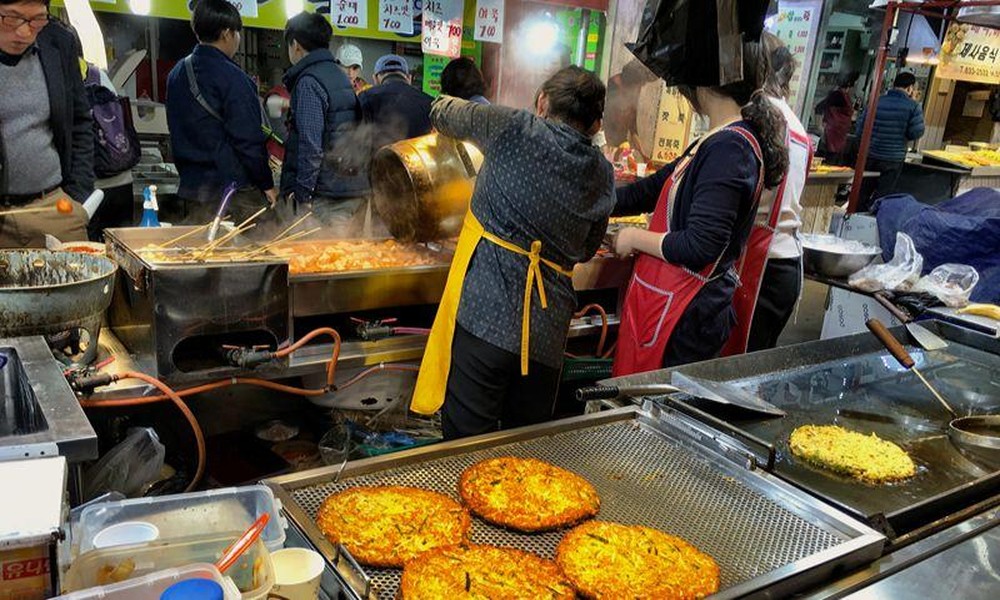
Hawker food has long been labelled as oily, salty, and unhealthy, especially when compared to home-cooked meals or café fare. Yet this reputation often relies on broad assumptions rather than on how hawker food is actually eaten today. The idea that hawker food is unhealthy by default is increasingly outdated, particularly when we look at how healthy hawker food choices are made, prepared, and consumed in modern Singapore.
Where the “Unhealthy” Reputation Comes From
The belief that hawker food is unhealthy usually stems from a few familiar examples. Dishes that are deep-fried, heavily sauced, or served with refined carbohydrates tend to dominate visual impressions of hawker centres. Over time, these examples became shorthand for the entire hawker culture, even though they represent only a portion of what is available. This oversimplification ignores the fact that hawker food was historically designed to be practical, filling, and accessible, not excessive or indulgent by default.
It is also worth noting that the healthiness of any food is rarely determined by cuisine alone. Portion size, cooking method, and frequency of consumption matter more than whether a meal comes from a hawker stall or a kitchen at home. Once hawker food is eaten occasionally or chosen carefully, it does not automatically undermine a balanced diet.
What Actually Defines Healthy Hawker Food
Healthy hawker food is not about chasing “diet” meals or avoiding hawker centres altogether. It is about understanding the building blocks of a meal. Dishes that rely on clear soups, lean proteins, vegetables, and moderate portions of carbohydrates already align with basic nutritional principles. Many hawker dishes naturally fit this profile without needing reinvention or compromise on taste.
The misconception lies in assuming that health only exists in Western-style salads or premium café menus. In reality, hawker meals that are steamed, braised, boiled, or lightly stir-fried can be just as balanced, especially when they are not overloaded with processed sauces or excessive oil.
ALSO READ: Dining On A Budget: Singapore Hawker Centres
The Role of Choice and Eating Habits
Hawker food offers variety, and variety gives diners control. Choosing healthy hawker food often comes down to consistency rather than perfection. Someone eating hawker food daily but rotating between lighter and heavier meals is likely to fare better than someone who eats large portions of rich food sporadically. Health outcomes are shaped by patterns, not individual meals.
Another overlooked factor is portion awareness. Hawker meals are often served in fixed portions, but not all components need to be finished. Leaving behind excess rice or gravy does not diminish the meal’s value, and it can significantly reduce calorie intake without changing what is ordered.
Cooking Methods Matter More Than Location
One reason the “unhealthy by default” label persists is that hawker food is judged by where it is sold rather than how it is cooked. Yet cooking methods at hawker stalls are not inherently worse than those used elsewhere. A stir-fried dish cooked quickly at high heat may use less oil than a slow-cooked dish that relies on rich bases or processed ingredients.
Healthy hawker food exists because many stalls still rely on traditional preparation methods that prioritise efficiency and flavour over excess. The difference lies in selection, not availability.
Is the Perception Finally Changing?
The narrative around hawker food is shifting as diners become more informed. There is growing awareness that health is not about avoiding entire food categories but about making informed choices within them. Hawker centres remain a practical solution for busy lifestyles, and they can support balanced eating when approached thoughtfully.
Labelling hawker food as unhealthy by default no longer reflects reality. It reflects outdated thinking that fails to account for choice, moderation, and modern eating habits.
Conclusion
Hawker food is not inherently unhealthy, and treating it as such oversimplifies a complex food culture. Healthy hawker food is less about restriction and more about informed decisions made consistently. Once chosen wisely, hawker meals can fit comfortably into a balanced lifestyle without losing their cultural or culinary appeal.
Visit Taste of SG and learn how to eat better without giving up local food.