

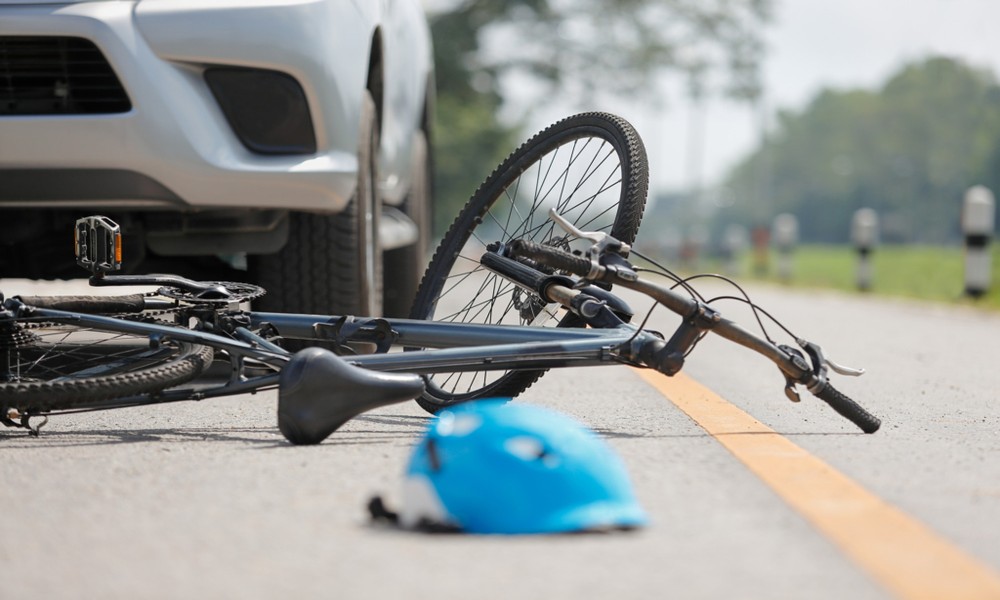
Cyclists in Burbank navigate a frustrating paradox: California law grants them full road rights equal to motor vehicles, yet drivers treat them as obstacles, nuisances, or invisible. This disconnect creates dangerous conditions where “accidents” are often entirely preventable instances of driver negligence, hostility, or simple failure to watch for bikes.
When cars hit cyclists, the physics are brutal. A 3,000-pound vehicle versus a 175-pound person on a 25-pound bike creates massive force differentials resulting in severe injuries even at relatively low speeds. Yet insurance companies and drivers immediately question whether cyclists somehow caused their own injuries by riding “wrong,” being “in the way,” or not wearing bright enough clothing. These victim-blaming tactics ignore the real issue: drivers who don’t respect cyclists’ legal road rights.
California Bicycle Laws Most Drivers Ignore
California Vehicle Code Section 21200 establishes that cyclists have the same rights and responsibilities as motor vehicle drivers. This means bikes can use full traffic lanes (except where prohibited), must follow traffic signals and signs, can proceed straight through right-turn-only lanes when marked bike lanes exist, and have right-of-way at crosswalks and intersections just like cars.
The “Three Foot Rule” (CVC 21760) requires drivers to give cyclists at least three feet of clearance when passing. If three feet isn’t possible, drivers must slow to safe speed and pass only when it won’t endanger cyclists. Violations of this law frequently cause sideswipe crashes.
Bike lanes (CVC 21209) are restricted to bicycles and certain other vehicles-cars can’t drive or park in them. Yet drivers constantly violate this, forcing cyclists into traffic lanes and creating dangerous situations.
Dooring laws (CVC 22517) prohibit opening vehicle doors into bike lanes or traffic when it’s unsafe to do so. Drivers and passengers must check for cyclists before opening doors. “I didn’t see them” isn’t a defense-they had duty to look.
1. Avian Law Group
Avian Law Group represents Burbank cyclists injured by negligent drivers, bringing both legal expertise and genuine understanding of cycling culture to cases. Several attorneys are cyclists themselves, providing firsthand knowledge of challenges riders face and tactics drivers use to avoid responsibility.
Their bicycle accident practice addresses all common collision scenarios: right-hook crashes (drivers turning right across cyclists’ paths), left-cross collisions (drivers turning left in front of oncoming cyclists), dooring accidents (car doors opened into cyclists’ paths), sideswipe crashes (drivers passing too closely), and rear-end collisions (drivers following too closely or not seeing cyclists).
Investigation includes accident scene examination documenting road conditions, bike lane presence, sight lines, and traffic control devices. They obtain traffic camera footage when available, interview witnesses who saw crashes occur, analyze vehicle damage patterns proving impact dynamics, and review driver cell phone records when distraction is suspected.
California’s comparative negligence law means cyclists can recover even if partially at fault-damages are reduced by fault percentage. However, insurance companies exaggerate cyclist fault to reduce payouts. They claim cyclists ran stop signs without evidence, assert cyclists were riding unsafely, suggest cyclists should have been on sidewalks (often illegal for adults), or argue cyclists weren’t visible despite broad daylight.
The firm counters these tactics with evidence. Helmets with mounted cameras provide irrefutable video evidence. Witness statements confirm traffic signal compliance. Bike damage patterns prove driver fault. Expert testimony establishes that drivers violated duties of care.
Injury documentation is crucial. Common cycling injuries include traumatic brain injuries (even helmeted riders can suffer TBIs), fractures (clavicle, ribs, wrists, legs), road rash requiring skin grafts, spinal injuries, internal organ damage, and dental injuries. These injuries often require extensive treatment, multiple surgeries, and lengthy rehabilitation.
The firm works with medical experts documenting injuries and prognosis, calculating lifetime medical costs for serious injuries, assessing permanent disability impacts, and establishing causation between crashes and injuries. This medical documentation justifies compensation demands and counters insurance arguments minimizing injury severity.
Economic damages include immediate medical expenses, future medical needs, lost wages during recovery, diminished earning capacity if injuries prevent returning to previous work, bicycle repair or replacement, damaged gear and equipment, and transportation costs while unable to ride.
Non-economic damages compensate for pain and suffering, permanent scarring or disfigurement, loss of life enjoyment (particularly significant for avid cyclists), emotional distress and psychological trauma, and permanent disability impacts on daily activities.
California doesn’t cap non-economic damages in bicycle accident cases, allowing full compensation for significant injuries and impacts. The firm presents compelling evidence through client testimony about injury impacts, before/after activity comparisons, photographs documenting injuries and scarring, and psychological evaluations showing emotional trauma.
2. The Dominguez Firm
The Dominguez Firm handles bicycle accident cases throughout Southern California with resources for complex litigation. Their accident reconstruction capabilities help prove liability in disputed cases. They understand California bicycle laws, insurance company tactics, and effective strategies for countering anti-cyclist bias.
3. Citywide Law Group
Citywide Law Group provides dedicated bicycle accident representation with emphasis on serious injury cases. Their investigation includes scene examination, witness interviews, video evidence gathering, and expert consultation. They prepare cases for trial from the start, providing settlement leverage while ensuring litigation readiness.
4. West Coast Trial Lawyers
West Coast Trial Lawyers offers aggressive representation for injured cyclists with trial focus from day one. Their litigation willingness and capabilities provide leverage during settlement negotiations. They’ve secured substantial results for cyclists facing driver negligence and insurance company resistance.
5. The Reeves Law Group
The Reeves Law Group serves Burbank bicycle accident victims with systematic case handling and client advocacy. They coordinate investigation, medical documentation, expert retention, and settlement negotiation while providing clear communication about case progress and legal options.
Protecting Cyclist Rights After Crashes
Insurance companies will use anything to blame cyclists and reduce payouts. They scrutinize whether you wore a helmet (irrelevant unless head injury occurred and helmet would have prevented it), whether you wore visible clothing (drivers must see what’s there regardless), whether you “should have” been on sidewalks (often illegal and doesn’t excuse driver negligence), and whether you followed traffic laws perfectly (doesn’t excuse driver violations).
Counter this with documentation. If possible at accident scenes, photograph your position, bike lane or road configuration, traffic signals, vehicle positions, and damage to bike and car. Get witness contact information-bystanders often see what happened clearly. File police reports ensuring accurate incident documentation.
Seek immediate medical attention. Adrenaline can mask injuries initially. Some injuries like concussions or internal bleeding show symptoms later. Immediate medical examination creates records linking injuries to crashes.
Preserve evidence. Don’t repair or discard damaged bicycles, helmets, or gear until photos are taken and insurance companies inspect them. Damage patterns provide evidence of crash dynamics and driver fault.
Don’t give recorded statements to insurance companies without attorney consultation. Adjusters ask leading questions designed to get cyclists to admit fault or minimize injuries. Legal representation prevents these tactics.
California’s statute of limitations is two years for personal injury. However, evidence deteriorates quickly-security camera footage gets deleted, witnesses’ memories fade, road conditions change. Early attorney consultation preserves evidence and strengthens cases.
Helmet laws require riders under 18 to wear helmets. Adults aren’t required to wear helmets, and failure to wear one doesn’t constitute negligence unless you’re under 18. However, in head injury cases, insurance companies will argue helmet non-use contributed to injuries even when drivers caused crashes.
Sidewalk riding is generally prohibited for adults in business districts unless specifically allowed. Riding on sidewalks doesn’t excuse driver negligence but insurance companies will argue cyclists should have been there anyway-legally incorrect but requires attorney knowledge to refute.
Bottom line: Bicycle accident cases require understanding of California cycling laws, ability to counter anti-cyclist bias, expertise with serious injury damages, and resources to battle insurance companies protecting negligent drivers. Burbank cyclists deserve attorneys who understand cycling rights and fight for full compensation.